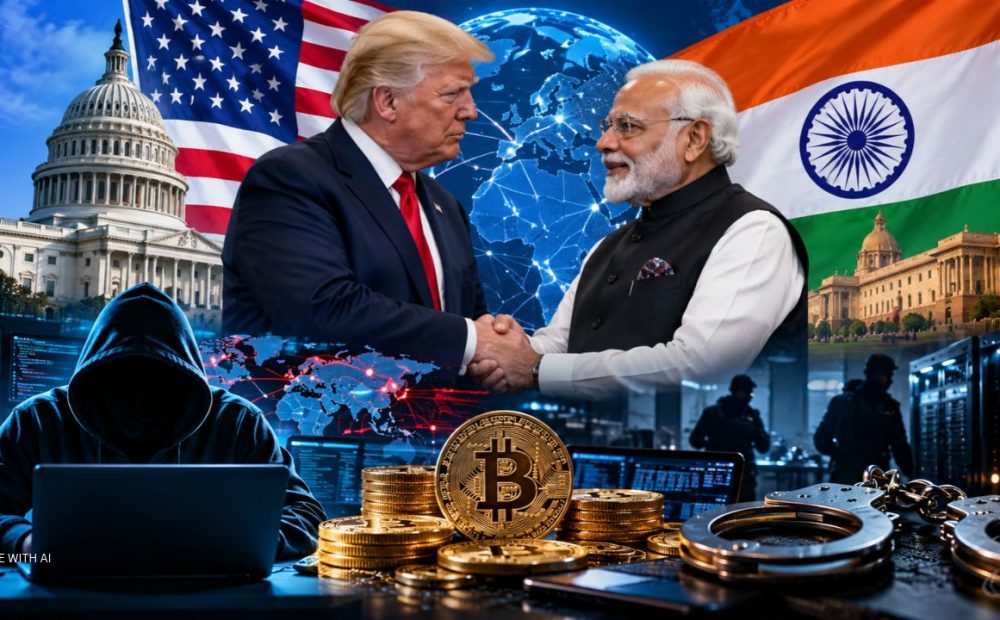
Washington, DC: India and the US are working on an MoU to expand cooperation against cyber fraud and scams, and US officials have held a meeting with Indian officials here in Washington, DC. US Attorney Jeanine Ferris Pirro told NewsMobile after a briefing at the Foreign Press Center of the US State Department in Washington, DC.
Pirro said cyber fraud and scams posed a global national security threat, underscoring the Trump administration’s commitment to combating the menace.
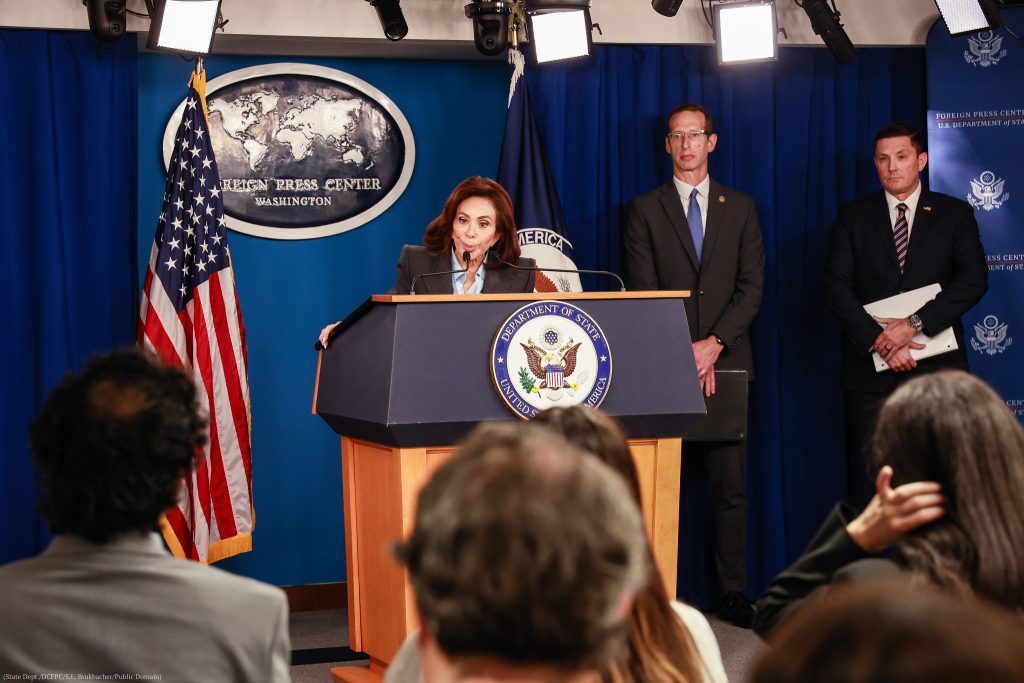
During the briefing, NewsMobile asked whether President Donald Trump could raise the issue of cyber fraud and scam centres with G20 leaders visiting the US for the summit in December, stressing the need for global coordination and collaboration.
Responding to NewsMobile, Pirro said Trump recognised the global nature of the problem and had issued an executive order requiring government agencies to intensify efforts against scam centres.
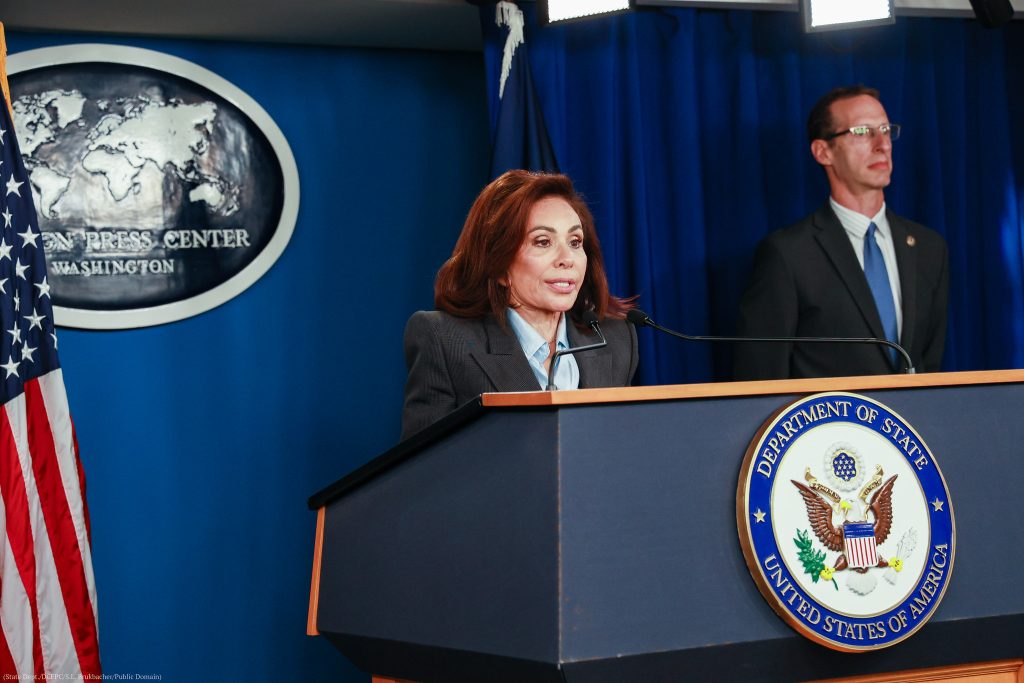
“We also see this as a national security problem, when you have a foreign power that has allowed criminal groups to actually flourish and spread to other countries,” Pirro said, expressing concern that Chinese actors possessed large amounts of US citizens’ personal data.
Pirro also highlighted the challenges of international cooperation, saying Chinese authorities sometimes repatriate suspects involved in scam operations before investigations can be completed, allowing criminal networks to re-emerge elsewhere. She said US authorities were working with law enforcement agencies across countries to identify suspects, dismantle scam centres and pursue extraditions.
US Expands Global Crackdown On Scam Networks
Pirro said the Justice Department’s Scam Center Strike Force had seized more than $1 billion in cryptocurrency and taken down hundreds of websites linked to fraudulent operations. The crackdown is expanding beyond Southeast Asia to West Africa and Madagascar as criminal networks adapt their methods and establish smaller scam centres.
She described how scammers use fake dating profiles to build emotional relationships with victims before directing them towards fraudulent cryptocurrency and nonfungible token (NFT) investment platforms. Victims are persuaded to connect their wallets, allowing criminals to drain their funds.
Richard Goldberg Flags Cross-Border Challenges
Richard Goldberg, director of the Department of Justice’s Cyber-Enabled Scam Initiative, said fraudsters routinely exploit multiple countries to carry out their operations, making investigations more complicated.
“What is law enforcement to do when, routinely, fraudsters launch a scheme from one country, use communications infrastructure in another, and launder criminal proceeds through two or more additional countries, all while using cyber tools to mask where they’re located?” Goldberg said.
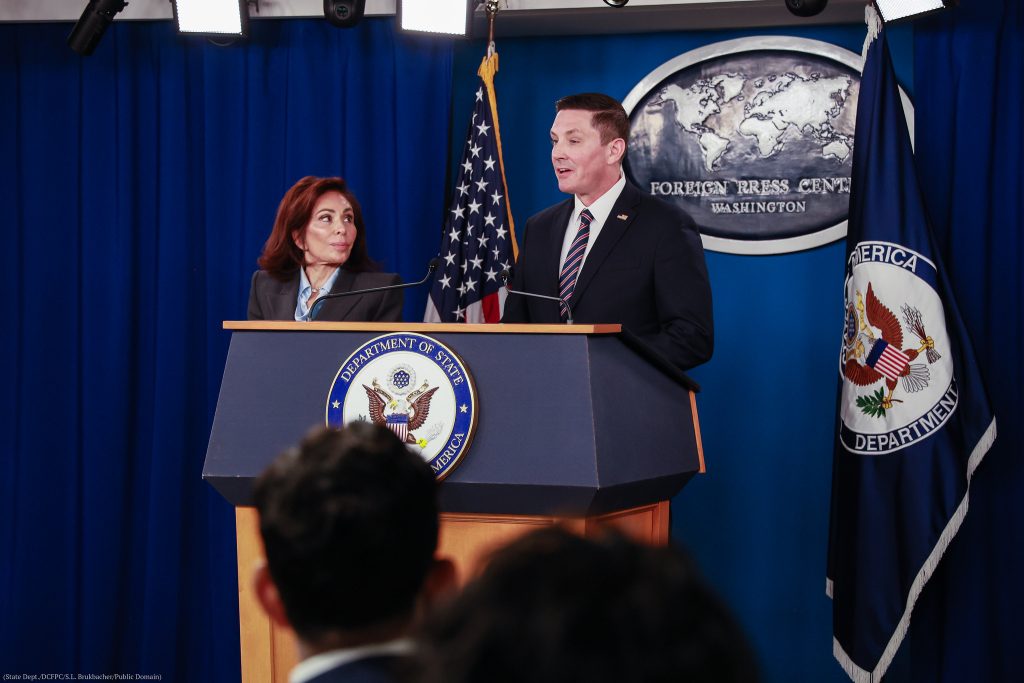
He said the initiative, launched by the Justice Department’s Criminal Division in the summer, brings together prosecutors specialising in complex fraud, cybercrime, international evidence-gathering, extraditions and asset forfeiture.
Goldberg said US authorities had prosecuted cryptocurrency investment fraud in Southeast Asia, romance and business email compromise scams in West Africa, lottery fraud originating in Jamaica and timeshare fraud linked to Mexican drug cartels.
He also said US authorities had worked with Indian law enforcement to shut down tech support and government-impersonation fraud schemes operating in India.
Global Cooperation Against Rising Losses
FBI Assistant Director Heith Janke said cyber-enabled fraud accounted for more than $17.6 billion in reported US losses last year, warning that the actual scale was likely higher because many victims do not report such crimes.
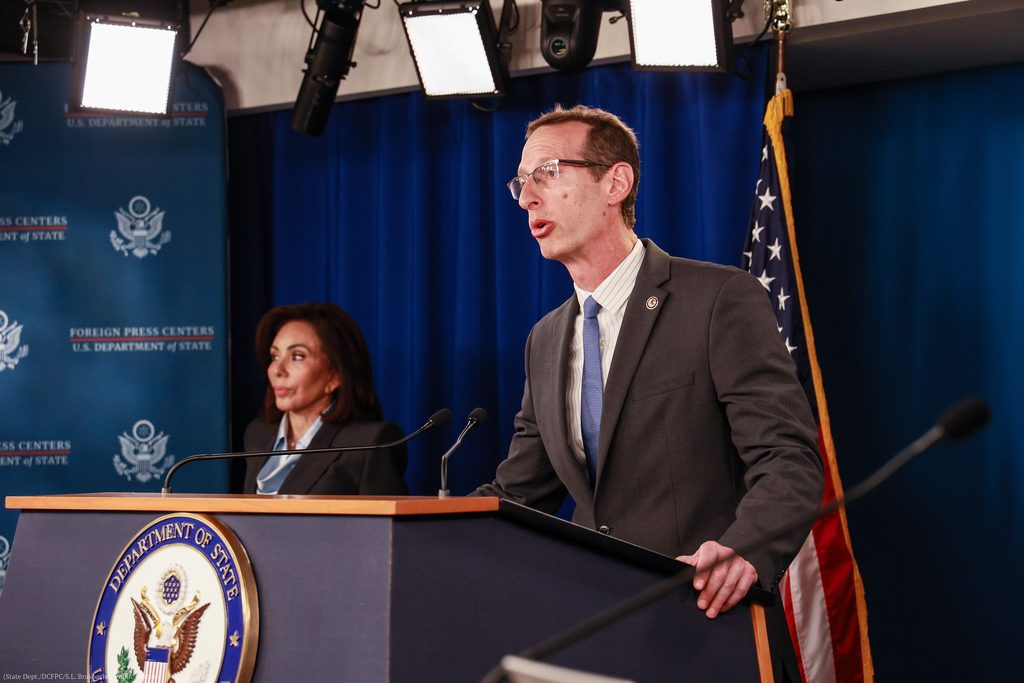
US officials said cooperation between governments, law enforcement agencies and private technology companies was essential to dismantling criminal networks.
The proposed India-US MoU could strengthen bilateral efforts to tackle cyber fraud, trace illicit funds and pursue criminal networks operating across national borders.