Washington DC: The US House of Representatives on Wednesday passed a sweeping sanctions package targeting Russia, giving President Donald Trump the authority to impose tariffs of up to 100% on countries that purchase Russian oil and natural gas, including India.
The Lindsey O. Graham Sanctioning Russia and Iran Act of 2026 was approved by a vote of 262-159, overcoming opposition from several Democrats who raised concerns about expanding the president’s tariff powers.
The legislation, which had already cleared the Senate by an 86-11 vote in August, will now go to Trump for his signature.
The bill is named after the late Republican Sen. Lindsey Graham, who played a key role in advancing the sanctions package aimed at restricting Russia’s ability to finance its war in Ukraine.
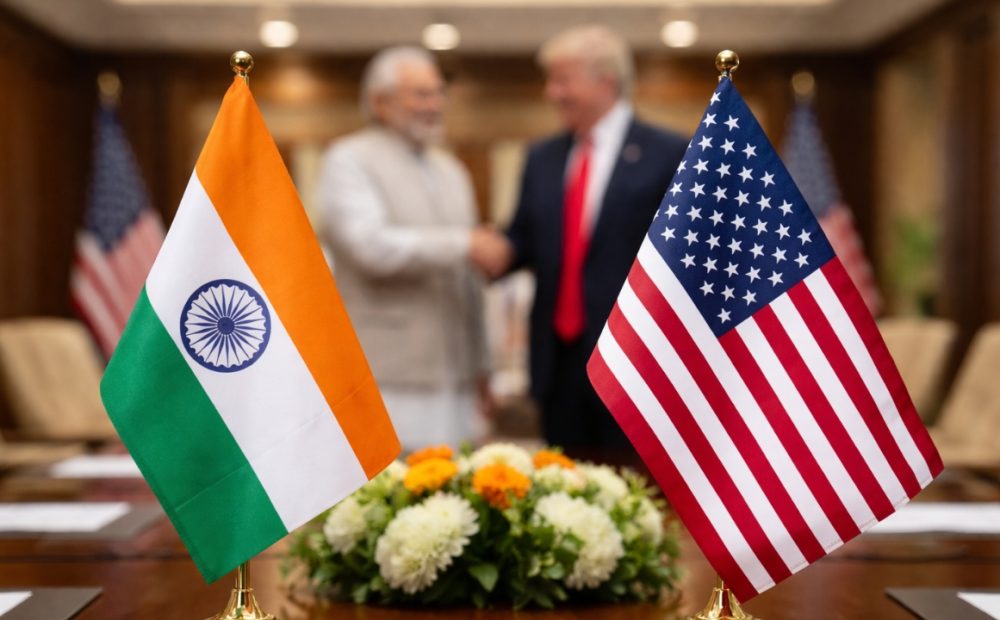
Under the legislation, the president would have the authority to impose tariffs of up to 100% on countries purchasing Russian energy or facilitating efforts to evade sanctions. India and China are among the countries that could face such measures.
However, the legislation does not require Trump to impose tariffs on countries buying Russian oil and gas. It gives the administration discretion over whether and how to use the additional tariff powers.
The bill also includes provisions targeting Russian financial institutions, individuals and energy-related shipping networks. Certain exemptions and waivers are available, including provisions relating to countries that have taken steps to reduce their dependence on Russian energy.
The legislation advanced rapidly in the House this week after lawmakers cleared a key procedural hurdle.
On Tuesday, the House voted 214-211 to allow the bill to proceed to a final vote. The measure subsequently secured sufficient bipartisan support, with 58 Democrats joining 203 Republicans in backing the legislation. Seven Republicans voted against it.
The bill’s passage followed months of debate over whether Congress should grant Trump additional authority to impose tariffs. Some Democrats opposed the legislation over concerns that the expanded powers could be used against US allies or for purposes beyond the stated sanctions objectives.
Sen. Jeanne Shaheen, a Democrat who supported the sanctions package, welcomed the House vote.
“Today is a big day. Congress has just sent an unmistakable message to Putin,” she said.
The extent of the White House’s involvement in securing the bill’s passage had been the subject of debate. While the administration’s position on certain provisions had previously drawn attention, the White House ultimately supported retaining the tariff authorities included in the legislation.
Meanwhile, India has maintained that its energy purchasing decisions are guided by its national interests.
Responding to a question about the sanctions legislation at a press briefing in New Delhi, Ministry of External Affairs spokesperson said, “I want to reiterate once again that as far as energy sourcing is concerned by India, that is based on our national interest.”
The bill’s passage could have implications for India’s energy trade with Russia, although any impact will depend on whether the Trump administration chooses to exercise its new tariff powers and how it implements the provisions.
The legislation also extends certain sanctions related to Iran, another key component of the broader package.