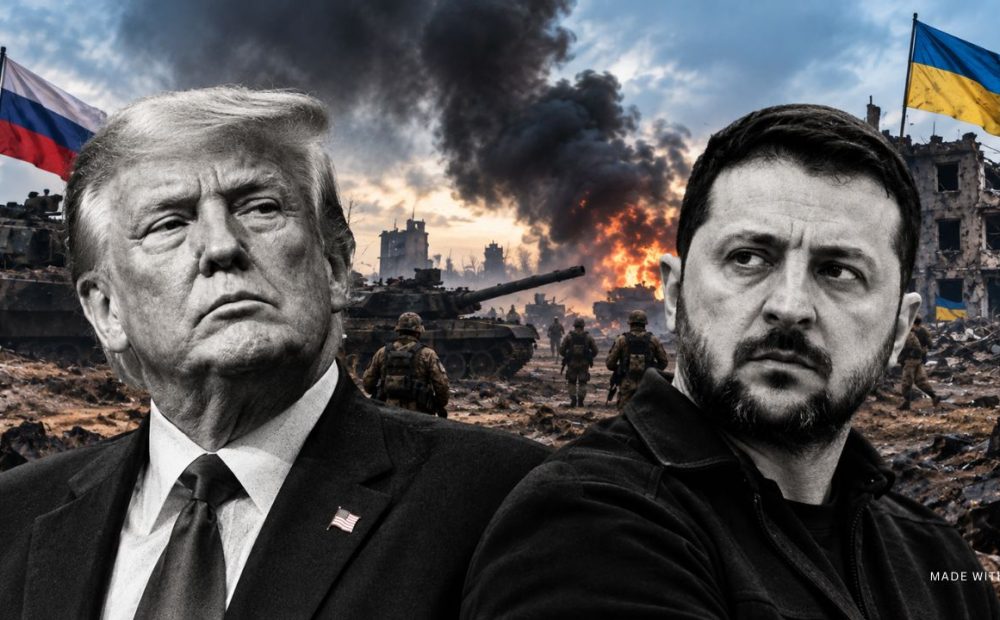
Washington DC: President Donald Trump’s upcoming meeting with Ukrainian President Volodymyr Zelensky on the sidelines of the United Nations General Assembly in New York could mark an important moment in diplomatic efforts to end the Russia-Ukraine war, even as significant differences between Moscow and Kyiv continue to stand in the way of a potential settlement.
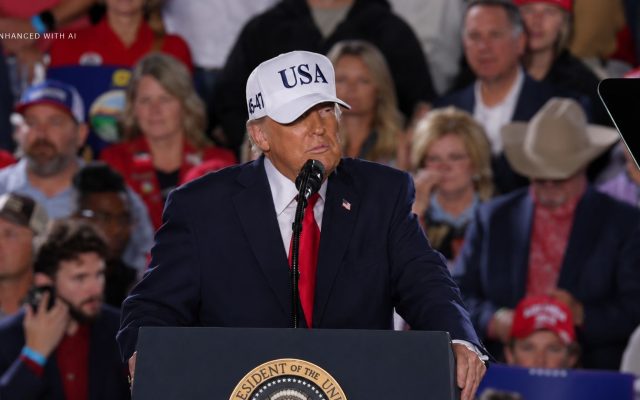
Trump is scheduled to travel to New York on Monday ahead of his address to the United Nations on Tuesday. His meeting with Zelensky is expected to be one of the key diplomatic engagements during his visit. Trump is also set to meet French President Emmanuel Macron, underscoring Washington’s efforts to intensify discussions with its European allies.
According to sources familiar with the diplomatic efforts, Trump is keen to see a settlement in the Russia-Ukraine war in the near future. The U.S. president has been pushing for peace initiatives involving both Russia and Ukraine while also pursuing diplomatic efforts concerning Iran.
Why could US President Donald Trump’s meeting with Ukrainian President Volodymyr Zelensky be a crucial moment in efforts to end the Russia-Ukraine war?
In his latest analysis, NewsMobile Editor-in-Chief @isaurabhshukla decodes Trump’s peace push, the key sticking points between… pic.twitter.com/jaibjUFq3e
— NewsMobile (@NewsMobileIndia) September 21, 2026
Trump’s domestic political considerations are also an important factor. With the U.S. midterm elections scheduled for Nov. 3, the administration is keen to demonstrate progress on major foreign policy issues. A breakthrough in the Russia-Ukraine conflict could provide Trump with an opportunity to present a diplomatic achievement to American voters.
Russia, Ukraine Face Major Differences
Behind the scenes, discussions between Trump’s interlocutors and Russian President Vladimir Putin have reportedly included a possible framework for resolving the conflict. However, several key issues remain unresolved.
One of the central sticking points is Russia’s demand for territorial concessions from Ukraine — a position that Kyiv has consistently opposed. Security guarantees are another critical issue, with Ukraine seeking assurances that Russia would not launch another military campaign if a settlement is reached.
The question of whether any agreement would represent a permanent peace deal or merely a temporary cessation of hostilities also remains significant.
Russia and Ukraine have previously come close to diplomatic breakthroughs, only for negotiations to stall over unresolved differences. While another agreement cannot be ruled out, it would be premature to predict a settlement before both sides formally agree to its terms.
Trump Seeks European Support
Trump’s efforts are not limited to direct discussions with Moscow and Kyiv. The U.S. president is also seeking to bring European allies on board with any potential agreement.
The involvement of European nations could prove critical, particularly given their security interests in the region and their continuing support for Ukraine.
Trump’s planned meeting with Macron is therefore significant as Washington works to build broader international backing for its diplomatic initiatives.
At the same time, Trump’s efforts to engage Iran demonstrate the wider scope of his foreign policy agenda. Although diplomatic efforts involving Tehran have faced setbacks, the U.S. president has maintained that the door remains open to a possible agreement.
Balancing these parallel diplomatic initiatives will be a challenge for the administration.
Tuesday’s Meeting Could Set the Tone
The Trump-Zelensky meeting comes at a time when the war has continued for far longer than many international actors had hoped. While both sides have expressed interest in peace under different circumstances, disagreements over territory, security guarantees and the terms of a lasting settlement remain substantial.
Trump has repeatedly expressed his desire to bring the war to an end. A diplomatic breakthrough would allow him to demonstrate progress on an issue that has significant international and domestic implications.
India, too, has consistently called for dialogue and diplomacy to resolve the conflict. Prime Minister Narendra Modi has reiterated the importance of peace in his engagements with global leaders, while External Affairs Minister S. Jaishankar is representing India at the United Nations General Assembly this year.
The world needs these wars to end, but achieving lasting peace will require more than diplomatic announcements. It will depend on whether Russia and Ukraine can overcome their differences and agree to the terms of a settlement.
Trump’s meeting with Zelensky could represent a step forward in that process. However, the contours of any potential agreement — and whether it can secure the support of all the parties involved — will only become clear as the diplomatic discussions progress.
For now, Tuesday’s meeting remains an important moment to watch, even as expectations are tempered by the setbacks that have marked previous peace efforts.