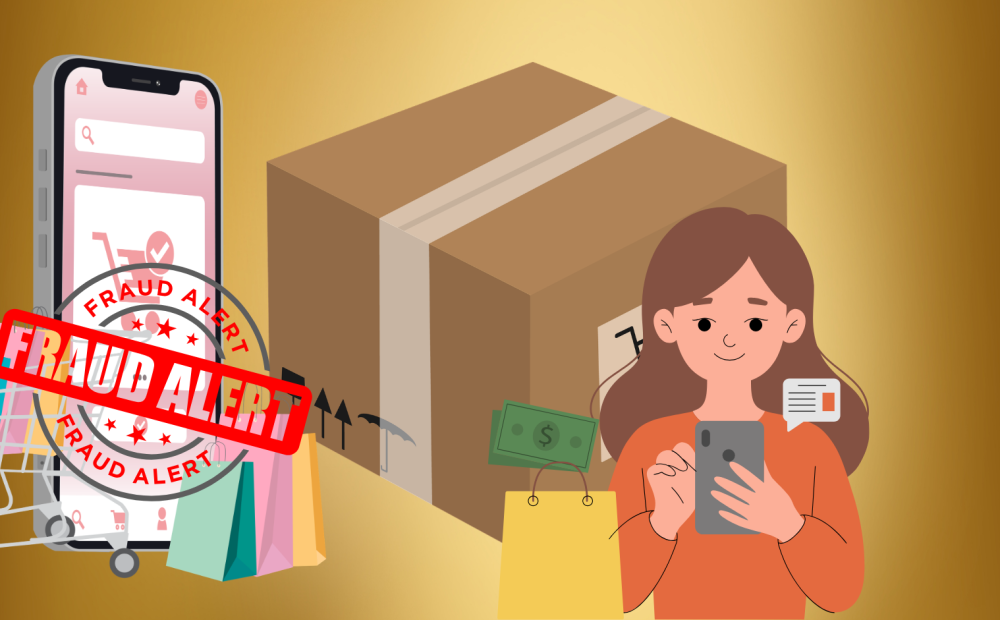
Online shopping scams are increasingly targeting fashion shoppers through fake websites, counterfeit products and fraudulent listings on resale platforms. Scammers often use limited-time offers, viral trends and claims of rare or exclusive products to pressure buyers into making quick payments.
According to a report on The Guardian, scammers are increasingly using sophisticated tactics to target fashion-conscious shoppers, from creating convincing fake retail websites to advertising nonexistent or counterfeit products on online marketplaces.
The report noted that scammers often exploit the fear of missing out, particularly when popular or limited-edition fashion items are involved. By creating a sense of urgency and scarcity, fraudsters encourage shoppers to make purchases before they have enough time to verify the seller or website.
Fake fashion websites can appear highly convincing, using genuine photographs of products and professional-looking descriptions copied from legitimate brands. However, customers may receive cheap counterfeit products or, in some cases, nothing at all after making the payment.
One warning sign is an unusually low price for a popular or difficult-to-find product. Shoppers should also check independent reviews and carefully examine the website’s contact details, return policy and company address before making a purchase.
Product images can also be checked through reverse image searches. If the same photograph appears on several unrelated websites, it could indicate that the listing is not genuine.
Another common tactic involves fake websites that imitate well-known fashion brands. Fraudsters may promote these websites through social media advertisements, pop-ups or messages featuring products that shoppers have recently searched for online.
Consumers should carefully check the website address before entering payment details. Extra words, unusual characters, spelling differences or altered versions of a brand’s domain name can indicate a fraudulent website. A safer approach is to open a new browser tab and search for the brand independently rather than clicking on an advertisement or message.
The Guardian report also highlighted that a padlock symbol or “https” in the website address does not guarantee that a website is legitimate. These features indicate that the connection is encrypted, but scammers can also use secure connections on fraudulent websites.
On resale platforms, scammers may use stolen photographs of genuine products to advertise counterfeit or nonexistent items. Buyers should remain cautious if sellers ask them to move conversations or payments outside the platform, as doing so can remove protections offered by the marketplace.
Requests for unusual payment methods or custom postage arrangements should also raise suspicion. Using the platform’s official payment and delivery systems can provide additional safeguards in case something goes wrong.
With vintage fashion and second-hand shopping also becoming increasingly popular, consumers should verify claims about authenticity before paying premium prices for supposedly rare or vintage items.
Before buying a fashionable deal online, shoppers should take a moment to check the seller, website address, reviews, product images, return policy and payment method. A deal that appears too good to be true may not be worth the risk.