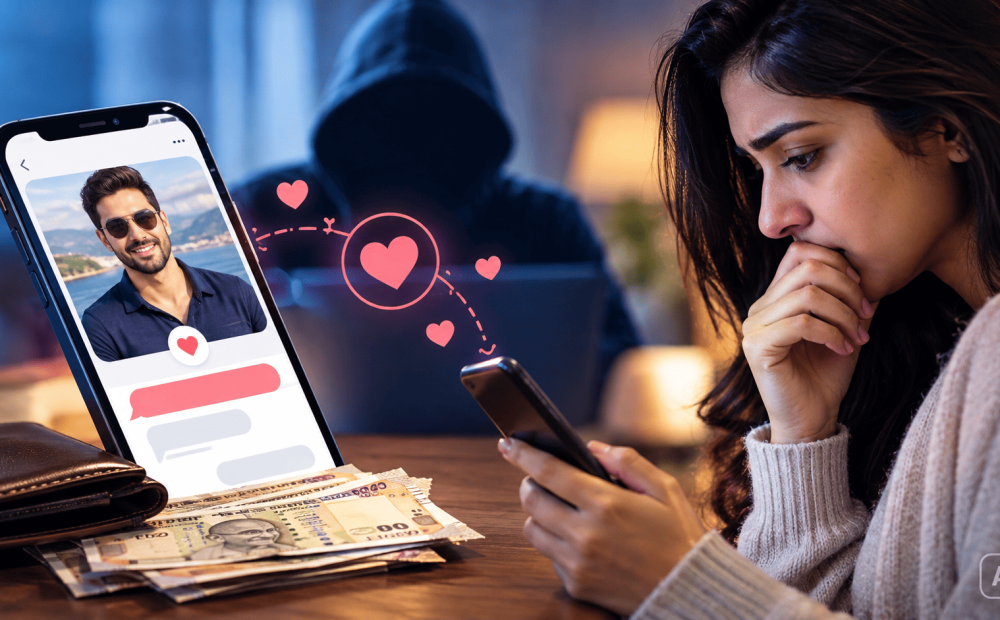
Online relationships can offer meaningful connections, but they can also expose people to fraud. Romance scammers create fake identities, build emotional trust and exploit their victims’ feelings to steal money or personal information.
These scams often begin on dating apps or social media, where fraudsters use stolen photographs, convincing profiles and carefully crafted stories to appear genuine. They may spend weeks or months building a relationship before asking for financial help.
Cybersecurity experts warn that scammers often avoid video calls or in-person meetings, offering excuses such as overseas work, travel problems or family emergencies. Once trust is established, they may request money for medical bills, flight tickets, legal expenses or other urgent needs. Some also lure victims into fake cryptocurrency and investment schemes.
Here are seven warning signs to watch out for:
-
Perfect-looking profiles: Their photographs may belong to someone else or appear on multiple accounts.
-
Inconsistent stories: Personal details change or cannot be independently verified.
-
Avoiding meetings: Repeated excuses prevent video calls or face-to-face meetings.
-
Sudden financial emergencies: Requests for money are presented as tests of love or trust.
-
Unusual payment requests: Gift cards, cryptocurrency and other difficult-to-reverse payments are preferred.
-
Unexpected delivery charges: Claims about gifts held up by customs or courier fees may be attempts to extract money.
-
Emotional manipulation: They discourage discussions with family or friends and make you feel guilty for questioning them.
How can you protect yourself?
Verify identities through video calls and reverse image searches. Avoid sharing passwords, OTPs, financial details or intimate photographs. Never transfer money to someone you have not independently verified, regardless of how close you feel to them.
If you suspect a scam, stop communicating, preserve messages and payment records, and report the account. In India, call the cybercrime helpline 1930 to report financial fraud promptly or visit the National Cyber Crime Reporting Portal.