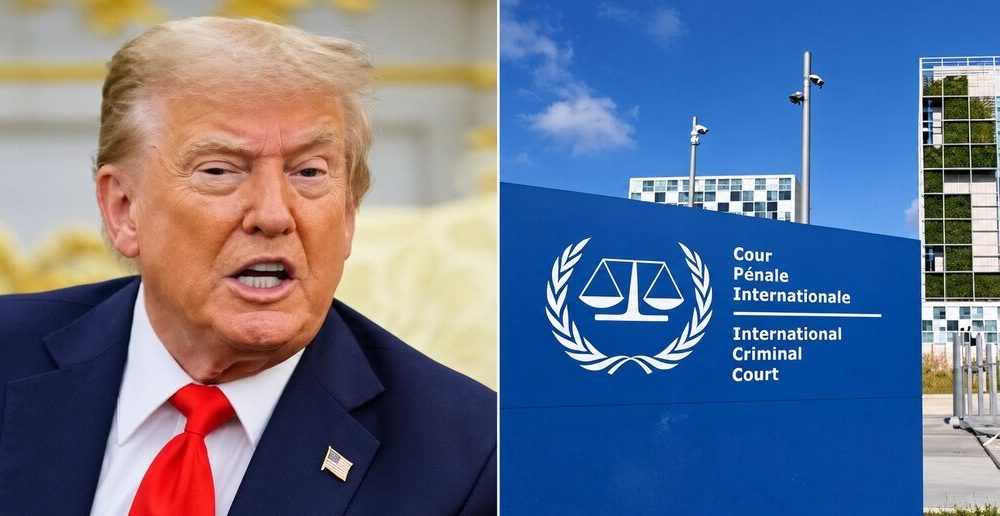
The United States on Friday announced sanctions against the International Criminal Court (ICC), hours after former ICC judge Navanethem “Navi” Pillay was awarded the 2026 Nobel Peace Prize for her contributions to international justice and accountability.
The Donald Trump administration said the move was aimed at protecting American sovereignty and citizens from what it described as a threat posed by the international judicial body.
In a fact sheet, the US Department of State said Washington had already sanctioned 17 individuals under an executive order targeting the ICC and was now extending its action against the court itself.
US Secretary of State Marco Rubio announced the decision in a post on X, calling on American allies who are members of the court to work towards addressing Washington’s concerns.
“Today, the Trump Administration is sanctioning the ICC. This action should encourage our Allies within the Court to work for solutions to end this threat to U.S. sovereignty forever,” Rubio said.
Under the measures, the property and financial interests of the ICC within US jurisdiction, or held by US persons, will be blocked and must be reported to the Treasury Department’s Office of Foreign Assets Control (OFAC), subject to applicable exemptions and licences. Transactions involving the court’s blocked property will also be prohibited unless specifically authorised.
The US Treasury Department has issued general licences permitting certain transactions involving the ICC, including activities necessary to maintain its operations for 180 days. Separate authorisations cover specified information technology services, the court’s pension plan and activities related to detainees.
The announcement coincided with the Norwegian Nobel Committee’s decision to award Pillay the 2026 Nobel Peace Prize. The South African jurist, who previously served as a judge at the ICC, was recognised for her work advancing international law and accountability for serious international crimes.