New Delhi: The Opposition’s legal challenge to the Election Commission of India (ECI) has run into a procedural roadblock, with the Supreme Court registry identifying 14 deficiencies in a petition led by Congress leader Rahul Gandhi and 10 other INDIA bloc leaders. The objections could push the hearing beyond Tuesday, as the petitioners seek time to complete the required formalities.
The defects range from a ₹220 deficit in court fees to an unreadable photocopy of Congress president Mallikarjun Kharge’s identity card. The registry has also pointed out that nine of the 11 petitioners have not submitted the necessary vakalatnamas authorising their lawyers to represent them.
The legal team has sought a Wednesday listing, subject to the objections being resolved. The delay comes as the Opposition presses for judicial scrutiny of the ECI’s decision-making process and seeks to halt the ongoing special intensive revision (SIR) of electoral rolls until an independent inquiry is completed.
Missing authorisations, questions over respondents
Several prominent Opposition figures are among those yet to file their vakalatnamas, including Samajwadi Party chief Akhilesh Yadav, RJD leader Tejashwi Prasad Yadav, NCP (Sharadchandra Pawar) MP Supriya Sule, Shiv Sena (UBT) MP Sanjay Raut and Trinamool Congress MP Saugata Roy.
The registry has separately questioned the inclusion of the three election commissioners as respondents in a writ petition structured as public interest litigation. Besides the ECI, the plea names Chief Election Commissioner Gyanesh Kumar and election commissioners Sukhbir Singh Sandhu and Vivek Joshi.
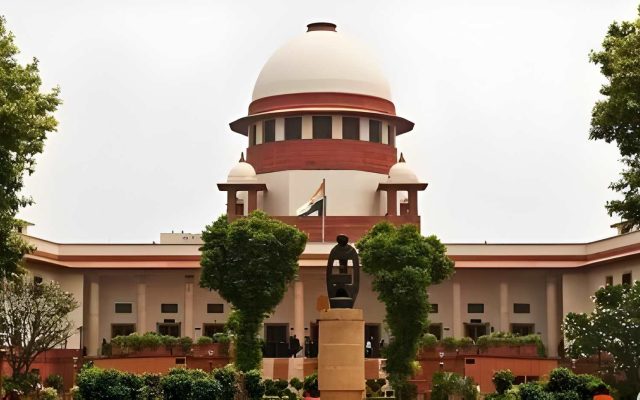
The procedural objections surfaced a day after Chief Justice of India Surya Kant turned down a request for a meeting with Gandhi and Kharge. The two leaders, who serve as Leaders of Opposition in the Lok Sabha and Rajya Sabha, respectively, were told that their concerns could be placed before the court through legal proceedings. The CJI also indicated that an early hearing could be considered if a petition was filed.
Opposition takes electoral dispute to court
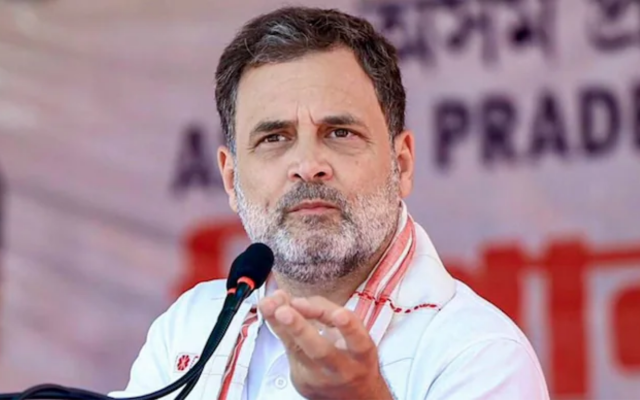
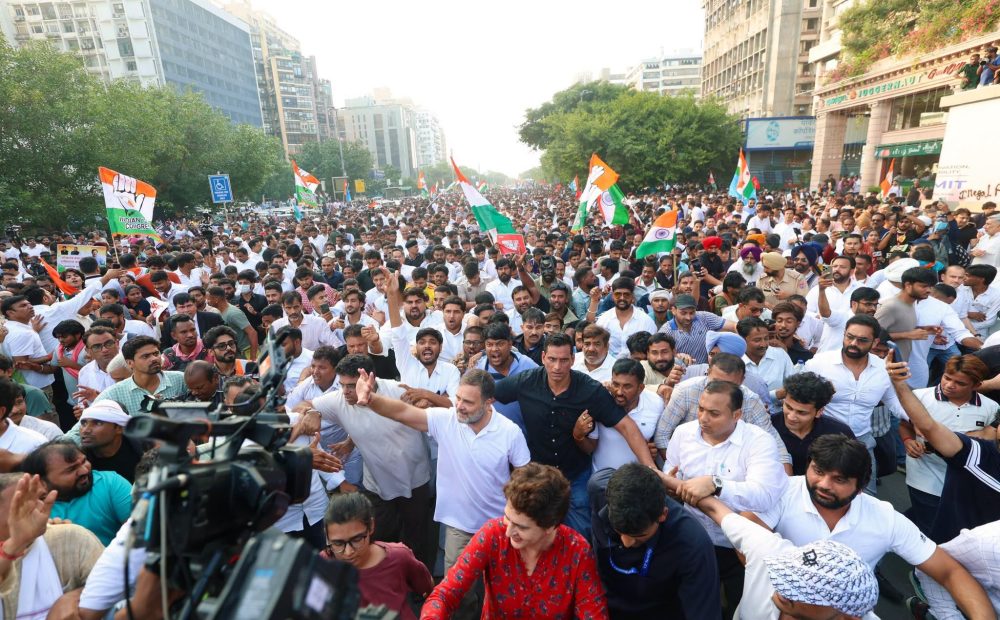
Gandhi reached the Supreme Court on Monday evening to submit the petition, accompanied by Kharge and nine other Opposition leaders. Their appearance followed an INDIA bloc demonstration in the capital against the electoral roll revision process and the alleged concentration of decision-making powers within the poll panel.
The protest, described by the Opposition as a “March for Democracy”, was halted by police barricades on Bhagwan Dass Road, approximately 600 metres from the Supreme Court. The march formed part of a broader campaign against the SIR exercise and the Opposition’s demand for Kumar to step down.
Demand for scrutiny of Election Commission’s decisions
The petition, filed through advocate S. Prasanna, calls for an independent investigation with a fixed timeline into decisions allegedly taken by Kumar without the collective agreement of the commission. It specifically refers to the decision taken in June 2025 to launch the SIR.
The petitioners argue that the central question is not whether the revision exercise is legally valid, but whether the ECI followed the prescribed safeguards and operated collectively while making decisions of constitutional significance.
To support their concerns, the leaders cited an Indian Express report alleging that Sandhu and Joshi had objected to Kumar’s unilateral decision-making on 14 occasions over a 10-month period.
The plea asks the Supreme Court to examine the commission’s internal records, including files, meeting agendas, minutes, official notings and objections submitted by the two election commissioners in relation to the contested decisions.
According to the petition, the alleged exercise of collective powers by a single member, if established, could raise questions under Article 324 of the Constitution and Section 18 of the 2023 Act.
The leaders contend that the matter extends beyond an internal disagreement within the ECI. At stake, they argue, is whether the constitutional authority entrusted with overseeing elections is exercising its powers in accordance with the law and protecting the integrity of the electoral process.