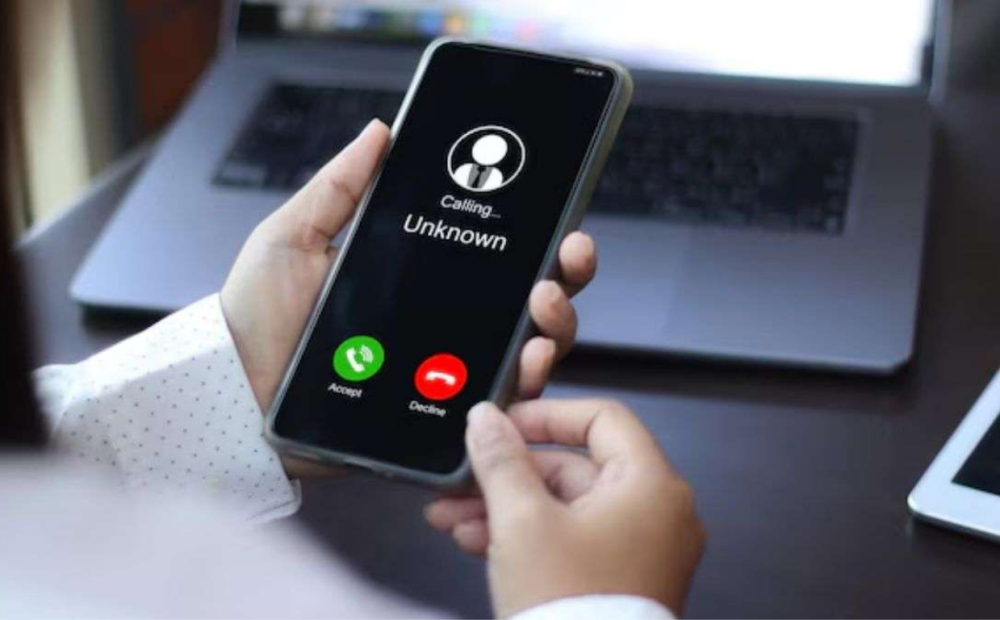
The Government of India has directed telecom service providers to introduce Calling Name Presentation (CNAP) from November 1, 2026, allowing users to see a caller’s name and phone number before answering.
The service will be enabled by default on 4G and newer networks, including 5G. Its rollout on 2G, 3G and public switched telephone networks will be considered separately.
How Will CNAP Identify Unknown Callers?
Under the Department of Telecommunications (DoT) directive, the first field on the phone screen will show the caller’s number, while the second will display the name saved in the recipient’s contacts, if available.
For unsaved domestic numbers, the name registered in the originating telecom operator’s subscriber database will appear. International calls will be labelled “International Call.”
Each telecom operator must establish and maintain a database linking subscribers’ names with their numbers. The receiving operator will retrieve the relevant information and display it to the recipient.
The order also includes privacy safeguards. Operators cannot retain a caller’s name through the query-response mechanism after a call ends.
Names of subscribers using Calling Line Identification Restriction (CLIR) will not be displayed.
Businesses and bulk connection users may request a preferred name, provided it is a registered trademark or a trade name registered on the Goods and Services Tax (GST) portal.
Operators must verify supporting documents, and existing subscribers must apply to update their names.
The move follows recent 4G and 5G trials and draws on TRAI’s February 2024 recommendations. In October 2025, TRAI supported default activation, reversing its earlier recommendation for activation only on request.