India has pushed back against criticism from United Nations human rights experts over the handling of recent protests, maintaining that international scrutiny must be impartial and should not be used to exert political pressure on individual countries.
Barkha Tamrakar, Deputy Secretary in the Ministry of External Affairs, conveyed India’s position during a discussion at the United Nations General Assembly’s Third Committee. She emphasised that engagement with international human rights bodies should be guided by dialogue, consultation and cooperation.
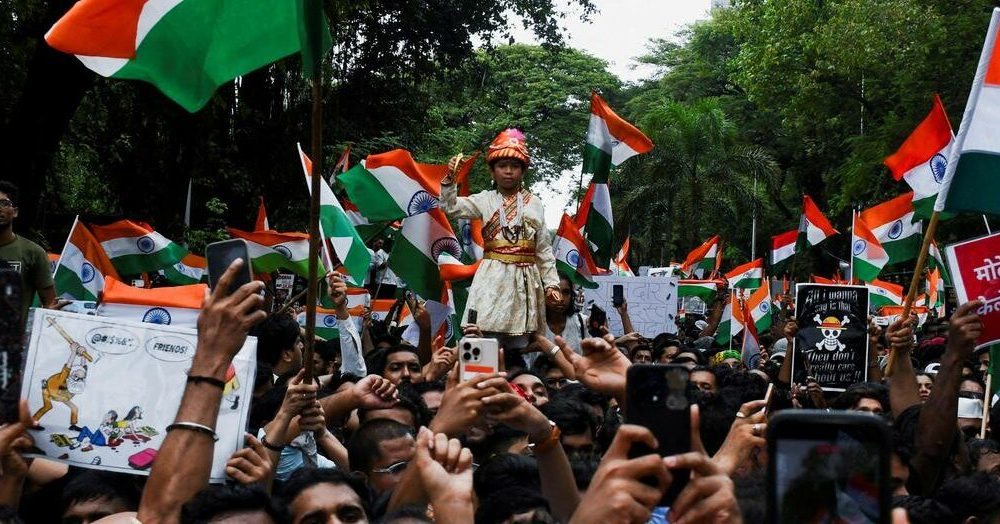
The response followed concerns raised by more than 20 UN human rights experts over police action against youth-led demonstrations in Delhi and other parts of the country. The experts called for the protection of peaceful assembly and accountability for alleged violations, including excessive use of force and arbitrary detentions.
Tamrakar said India had constitutional and institutional mechanisms to address human rights complaints and cautioned against drawing conclusions from allegations that had not been adequately verified. She also stressed that reports should be interpreted accurately and should not be used to portray the country negatively without specific, documented findings.
The MEA official cited Article 21 of the Constitution, which guarantees the right to life and personal liberty, along with judicial remedies, human rights commissions and other accountability mechanisms as safeguards against alleged violations.
She reiterated India’s willingness to examine properly documented cases through established channels, while stressing that human rights concerns should be addressed through transparent and cooperative processes.
The UN experts’ criticism comes amid demonstrations led by youth groups and student organisations over the Special Intensive Revision (SIR) of electoral rolls and demands for the resignation of Chief Election Commissioner Gyanesh Kumar. The experts have also raised concerns about restrictions on peaceful protests and the treatment of student activists.