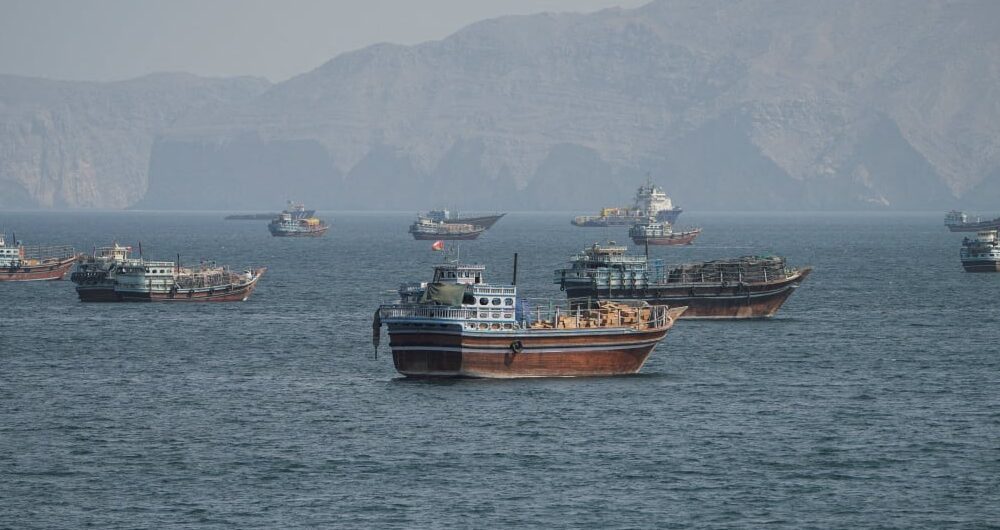
Iran has said that the United States must take the next step towards reviving diplomatic negotiations, insisting that Washington end its naval blockade and address Tehran’s demands before any agreement can be reached or security restored in the Strait of Hormuz.
Iranian Foreign Ministry spokesperson Esmail Baghaei said on Monday that Tehran had clearly communicated its conditions and that further progress depended on the US response.
Speaking at a press briefing, Baghaei maintained that Iran would not consider reopening or securing the strategically important waterway while Washington continued its economic and naval pressure on the country. He described the US blockade as incompatible with efforts to restore stability in the region.
Responding to reports about a letter sent by US Vice President JD Vance to Iran’s Supreme National Security Council Secretary Mohsen Rezaei, Baghaei said Tehran would judge Washington by its actions rather than the language used in diplomatic correspondence.
He also questioned the US commitment to diplomacy, accusing Washington of repeatedly disrupting negotiations and undermining opportunities for a peaceful resolution. Referring to earlier diplomatic efforts, including the Islamabad Memorandum of Understanding, Baghaei said previous progress had failed to translate into a lasting agreement.
Despite the setbacks, the spokesperson said Iran’s diplomatic proposal remained on the table. He stated that Tehran had presented a seven-step framework through regional intermediaries, which has since been condensed and could be implemented within two days if the US accepted Iran’s conditions.
Baghaei also confirmed that Iran had conveyed its demands to Washington through Qatari-mediated discussions in Doha. He said a recent visit by Iran’s deputy foreign minister was intended to facilitate communication between the two sides.
The spokesperson argued that the US could not expect Iran to help ensure security in the Strait of Hormuz while continuing measures that economically restrict the country. He described such an arrangement as unsustainable and said meeting Tehran’s conditions would also contribute to restoring regional stability.
On the possibility of an official response to Vance’s letter, Baghaei said the decision rested with Rezaei, who would determine how to proceed.
His remarks follow a Wall Street Journal report that Vance sent the letter on the instructions of US President Donald Trump, with the aim of restarting negotiations and preventing further American military strikes against Iran.