New Delhi: Chief Justice of India Surya Kant has declined a request by senior Opposition leaders to meet him on Monday, dealing a setback to their efforts to seek judicial intervention over the police action against protesters in Delhi and alleged irregularities in electoral processes.
The CJI cited several reasons why such an interaction would be inappropriate under the prevailing circumstances, including the pendency of related matters before the Supreme Court and his own judicial role in petitions concerning the issues, people familiar with the matter said.
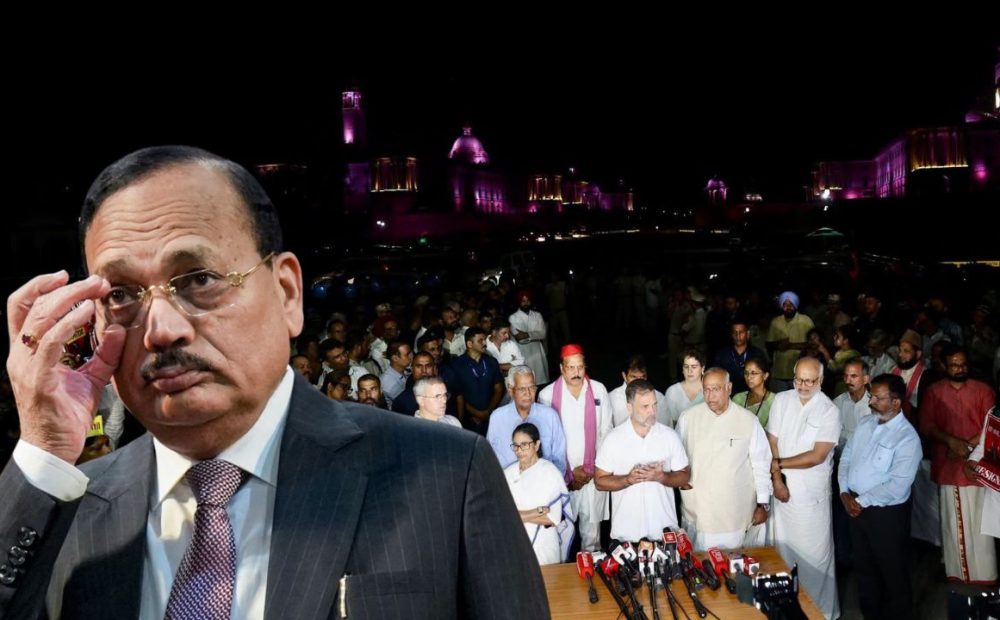
The decision came hours after Congress president Mallikarjun Kharge and Leader of Opposition in the Lok Sabha Rahul Gandhi announced that they had sought an appointment with the CJI between 4 p.m. and 5 p.m. on Monday.
Kharge said the leaders had written to the CJI to raise concerns over the functioning of constitutional institutions and request his intervention.
The proposed meeting was intended to address several issues, including police action against demonstrators demanding the removal of Chief Election Commissioner Gyanesh Kumar, the hearing of petitions challenging the special intensive revision (SIR) of electoral rolls and the composition of the committee responsible for recommending appointments to the Election Commission.
The CJI’s office had not confirmed the proposed appointment when the Opposition announced its plans on Sunday.
Speaking to reporters in Bengaluru, Kharge said the delegation intended to present its concerns respectfully, acknowledging that the leaders could not make demands of the head of the judiciary.
Opposition protests intensify in Delhi
The development comes amid four days of Opposition demonstrations in the national capital, including protests near the Election Commission of India, a sit-in at Rajghat and an attempted march to the poll panel’s office.
Opposition leaders have also met President Droupadi Murmu to raise concerns over the Election Commission’s functioning and alleged irregularities in electoral rolls.
Kharge on Sunday accused the Narendra Modi-led government of imposing an “undeclared Emergency,” alleging that the deployment of large numbers of police personnel and the detention of demonstrators reflected an attempt to suppress dissent.
“The Prime Minister and the Home Minister have created chaos across the country,” Kharge said, reiterating the Opposition’s commitment to protecting democracy and constitutional rights.
The Congress has maintained that its campaign is aimed at holding constitutional institutions accountable and addressing concerns over the integrity of electoral processes.
Rahul Gandhi calls for march to Supreme Court
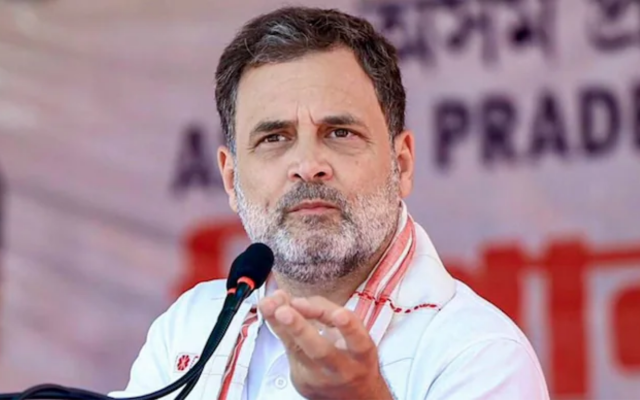
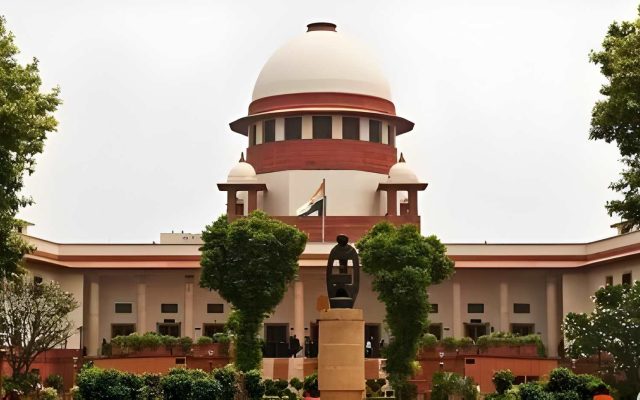
Rahul Gandhi separately announced plans for an Opposition-led march towards the Supreme Court on Monday, urging political parties, young people and civil society groups to participate.
He alleged that young demonstrators who took part in a protest in Delhi on Saturday had been assaulted by police personnel and BJP supporters.
Gandhi said the march would bring together people across political affiliations, caste, gender, community and state boundaries in support of democratic values and the Constitution.
The planned demonstration was intended to culminate in the submission of a memorandum to the CJI. The Opposition’s demands include action over alleged “vote chori,” a halt to the SIR exercise and the removal of Gyanesh Kumar as chief election commissioner.
Gandhi has accused the government of attempting to intimidate those questioning the electoral process. The government and the Election Commission have rejected allegations of deliberate manipulation of voter lists.
Dispute over appointment of election commissioners
The Opposition’s demand for the CJI’s inclusion in the committee selecting election commissioners is linked to a pending challenge to the Chief Election Commissioner and Other Election Commissioners (Appointment, Conditions of Service and Term of Office) Act, 2023.
Under the law, the selection committee comprises the prime minister, the Leader of Opposition in the Lok Sabha and a Union Cabinet minister nominated by the prime minister.
The legislation replaced an earlier arrangement established by the Supreme Court, under which the CJI was part of the selection committee until Parliament enacted a law governing appointments.
The Opposition has argued that excluding the CJI undermines the independence of the Election Commission by giving the government a greater role in the appointment process.
The legal challenge to the 2023 law remains unresolved. On Sept. 23, a Supreme Court bench comprising Justices Dipankar Datta and Satish Chandra Sharma delivered a split verdict on whether the matter should be referred to a Constitution bench.
Justice Datta held that a reference was unnecessary, arguing that the challenge could be decided using principles established in earlier judgments. Justice Sharma favoured a five-judge bench, saying the case raised substantial constitutional questions.
The split verdict has left the question of the law’s constitutional validity to be resolved through further judicial proceedings.
SIR exercise remains a flashpoint
The Opposition’s campaign has also focused on the SIR exercise, which it claims could lead to the exclusion of eligible voters from electoral rolls.
The Election Commission and the BJP have rejected allegations of deliberate voter-list manipulation, maintaining that names may be deleted during revision exercises because of deaths, migration or voters being untraceable.
Congress leader and former Chhattisgarh chief minister Bhupesh Baghel said party MPs, MLAs and district presidents would travel to Delhi to participate in Monday’s march.
Baghel alleged that electoral mandates had been compromised through electronic voting machine manipulation in some places and the deletion of names from voter lists in others.
The allegations have not been accepted by the Election Commission or the BJP.
Opposition divided over CJP’s role
The latest developments come amid an intensifying political campaign following protests led by supporters of the youth-led Cockroach Janata Party (CJP).
The group’s supporters have been at the centre of demonstrations in Delhi, with the police action drawing criticism from Opposition leaders.
However, Opposition parties have differed in their response to the group’s role in the agitation. While some have expressed sympathy with its concerns, the Congress has adopted a cautious position on CJP’s participation in the proposed march.
With the CJI declining the requested meeting, the Opposition’s attempt to directly present its demands to the head of the judiciary faces an immediate setback. The political confrontation over the police response to the protests, the SIR exercise and the independence of the Election Commission is expected to remain a key focus of the campaign.