New Delhi: The 18th BRICS Summit in New Delhi on Saturday unanimously adopted the New Delhi Declaration 2026, despite differences among members over the West Asia conflict. The consensus followed late-night negotiations and covered terrorism, conflicts, tariffs, nuclear risks and reforms to global institutions.
Key Takeaways
Pahalgam Terror Attack: BRICS strongly condemned the Pahalgam terror attack in Jammu and Kashmir and reiterated zero tolerance for terrorism, calling for accountability and rejection of double standards. The grouping also backed faster progress on the Comprehensive Convention on International Terrorism.
Conflicts and Gaza: Members called for dialogue, diplomacy and maximum restraint in conflicts. On Gaza, they backed continued ceasefire efforts, unhindered humanitarian assistance, a two-state solution and full UN membership for Palestine.
Nuclear Risks: The declaration expressed concern over growing nuclear risks and stressed nuclear safety and the protection of civilian infrastructure.
Tariffs and Sanctions: BRICS criticised unilateral tariffs, non-tariff barriers and economic or secondary sanctions, warning they can affect trade, development, food security and healthcare.
Global South and UN Reform: The grouping called for greater representation of developing nations and comprehensive reform of the UN Security Council, IMF and World Bank. It also welcomed support for India and Brazil to play a greater role in the UN, including the Security Council.
Maritime Security: BRICS stressed protecting seafarers and commercial shipping routes amid disruptions caused by conflicts.
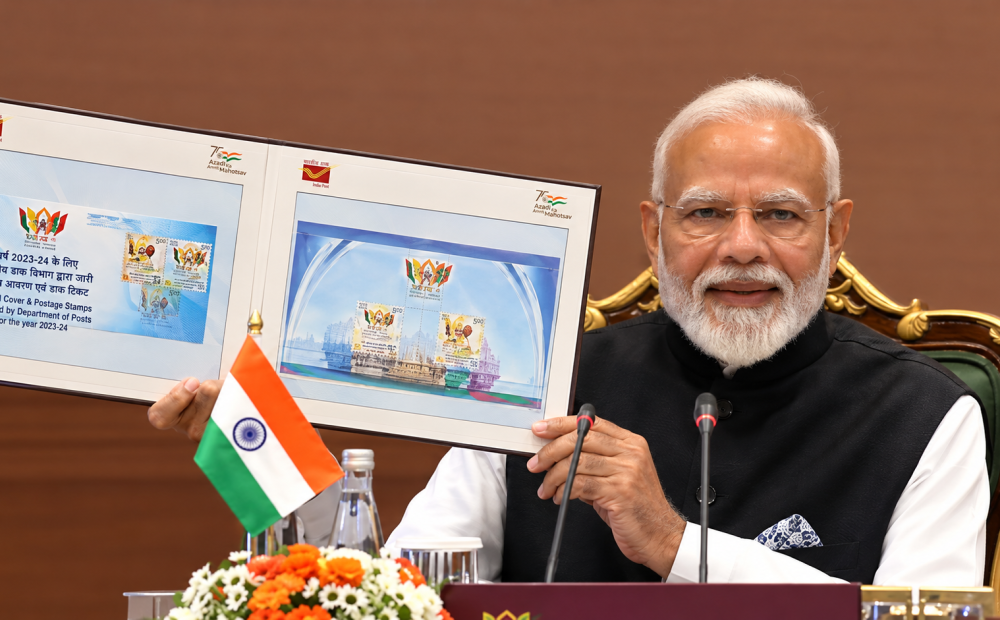
Implementation: PM Modi proposed a BRICS Troika mechanism and secure digital repository to track decisions, responsibilities and timelines across presidencies.
The declaration comes as BRICS marks 20 years, with India holding the 2026 chair and hosting the summit in New Delhi on September 12–13. India’s ability to secure consensus among all 11 members is being viewed as a significant diplomatic achievement.