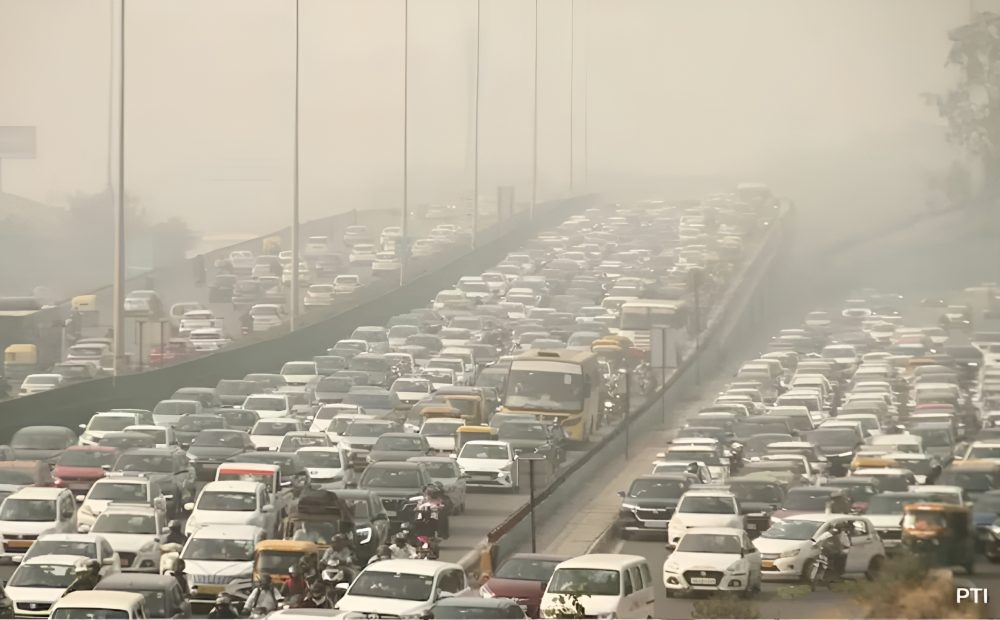
New Delhi: The daily commute into Delhi from Noida, Gurugram or Ghaziabad could become difficult for motorists using older petrol and diesel vehicles from November 1, when the capital begins barring entry to vehicles registered outside Delhi that do not meet BS-VI emission standards.
The restriction will remain in place until January 31, 2027, as part of Delhi’s winter pollution-control plan.
According to transport department estimates, more than 10 lakh vehicles in Gurugram, Faridabad, Noida, Greater Noida and Ghaziabad fall below BS-VI standards.
In Gurugram and Faridabad, nearly two lakh vehicles do not meet BS-VI norms, with around 70 per cent classified as BS-III and BS-IV vehicles. The two Haryana districts also have approximately 50,000 commercial vehicles below the required standard.
The numbers are higher in Uttar Pradesh. Noida and Greater Noida together have more than four lakh vehicles below BS-VI norms, with BS-IV vehicles accounting for over half, predominantly petrol cars. Ghaziabad has around four lakh such vehicles, a senior official said.
The rule could particularly affect people travelling into Delhi for work or business, although not every vehicle included in these estimates will be covered by the ban.
CNG and electric vehicles are exempt, along with ambulances, fire tenders and specified essential-service vehicles. Vehicles registered outside Delhi that comply with BS-VI standards will continue to be allowed entry.
The restriction does not apply to Delhi-registered vehicles under this particular provision, although other pollution and vehicle-age rules remain in force. At Delhi’s borders, officials are preparing to identify and stop non-compliant vehicles before they enter the capital.
AI-powered Automatic Number Plate Recognition (ANPR) cameras at border checkpoints and strategic lanes will scan registration plates to help flag vehicles for checks.
Authorities are also strengthening entry points for physical enforcement, particularly along routes from Noida, Gurugram and Ghaziabad.