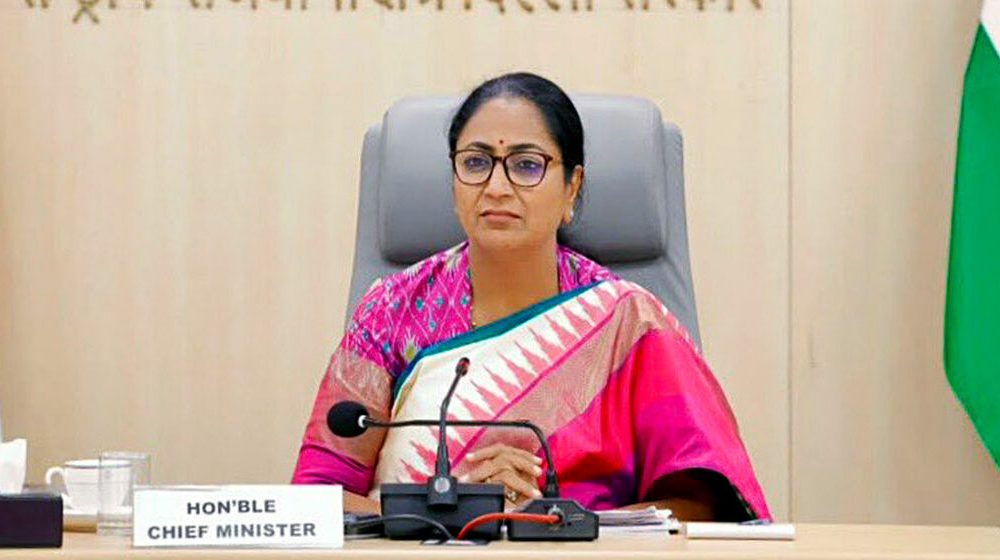
The Delhi Government, under Chief Minister Rekha Gupta, has prepared a Winter Action Plan to combat air pollution in the national capital. The plan will be implemented from November 1 to February 28.
Key measures include the implementation of the ‘No PUC, No Fuel’ policy, under which vehicle owners without a valid Pollution Under Control (PUC) certificate will not be allowed to buy petrol, diesel, CNG or LPG at fuel stations.
Vehicles registered outside Delhi that do not meet BS-VI emission standards will also be prohibited from entering the national capital.
To curb dust pollution, restrictions will be imposed on construction activities, demolition and the transportation of construction materials. Construction sites will be monitored through AI-enabled cameras linked directly to the government’s control and command centre.
The plan also emphasises 50 per cent work from home, alongside the promotion of electric buses, Metro services and last-mile connectivity. Its stated goal is to ensure clean air, healthy families and a pollution-free Delhi.
Meanwhile, the Municipal Corporation of Delhi, along with Urban Development Secretary Vivek Pandey of the Government of the National Capital Territory of Delhi (GNCTD), conducted a joint inspection of pollution hotspots and construction sites in South Zone areas on Sunday, October 11.
According to the release, the team assessed air pollution levels around hotspots and reviewed measures being undertaken by various government agencies to control pollution ahead of winter.
The Delhi government has also intensified inspections at construction sites, with the Delhi Pollution Control Committee (DPCC) issuing show-cause notices to agencies where violations were found.
At a Cabinet meeting chaired by Chief Minister Rekha Gupta, mechanised sweeping was approved for roads where the facility is currently unavailable. The plan covers around 609 km of roads with a right of way of less than 10 metres. A total of 854 roads across 250 wards have been identified for the purpose.
The Cabinet has also approved a five-year collaboration with IIT Delhi to track and analyse PM2.5 and PM10 sources, including vehicular emissions, road dust and biomass burning, and provide data on their contributions throughout the day.