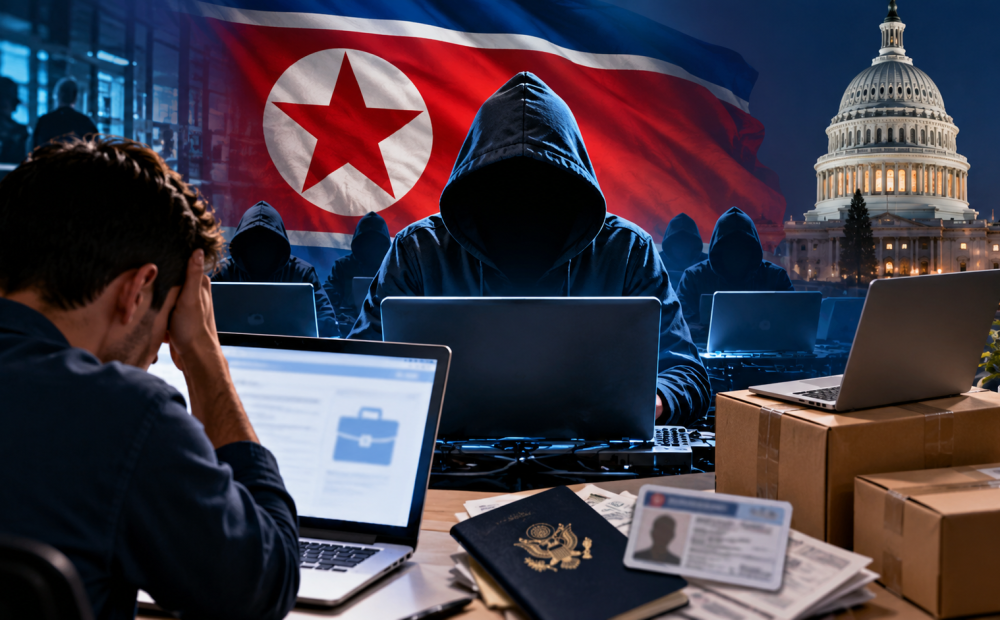
The FBI has warned that North Korean operatives are expanding a fraudulent employment scheme targeting Americans facing financial difficulties to gain access to US companies and generate revenue for Pyongyang’s nuclear and military programmes.
In a public safety alert issued on October 13, the agency said thousands of North Korean information technology workers were using fake identities and fraudulent employment documents to secure remote jobs at Western firms. Investigators said some operatives were recruiting unsuspecting Americans to facilitate their activities.
The operation involves seemingly legitimate freelance offers that ask individuals to attend job interviews on behalf of others, share professional networking accounts or receive company-issued laptops. Some recruits are also asked to complete identity verification procedures or participate in employment-related video calls.
The FBI identified “laptop farms” as another tactic, in which Americans host company computers at their homes, allowing overseas operatives to access the devices remotely and disguise their actual locations.
Investigators said the workers also use fabricated businesses and false personal histories to appear credible. The agency estimates that North Korea’s government receives between 85% and 90% of the revenue generated through these operations.
Beyond employment fraud, authorities have documented cases involving data theft, extortion and threats against former managers and their families. The FBI also reported attempts to target defence contractors and positions requiring US government security clearances.
The agency cautioned that Americans who knowingly assist these activities could face criminal investigations, even if their initial involvement appears minor.
The FBI has urged job seekers to avoid sharing account credentials, personal information or access to devices with unknown individuals. Companies have been advised to strengthen identity verification and monitor suspicious remote access.
Anyone who suspects involvement in the scheme can contact a local FBI field office or submit a complaint through the Internet Crime Complaint Center (IC3). Investigators recommend preserving emails, messages, financial records and other relevant evidence.