Sometimes, the first sign that someone is being scammed is not a suspicious message or a strange bank transaction. It is a change in the person themselves.
They may suddenly become secretive about their phone. They may spend hours talking to someone they have never met. They may start visiting the bank or post office more frequently, make unusual purchases or become defensive when family members ask questions.
These changes can be easy to dismiss. But they may also be signs that a loved one is being manipulated by a scammer.
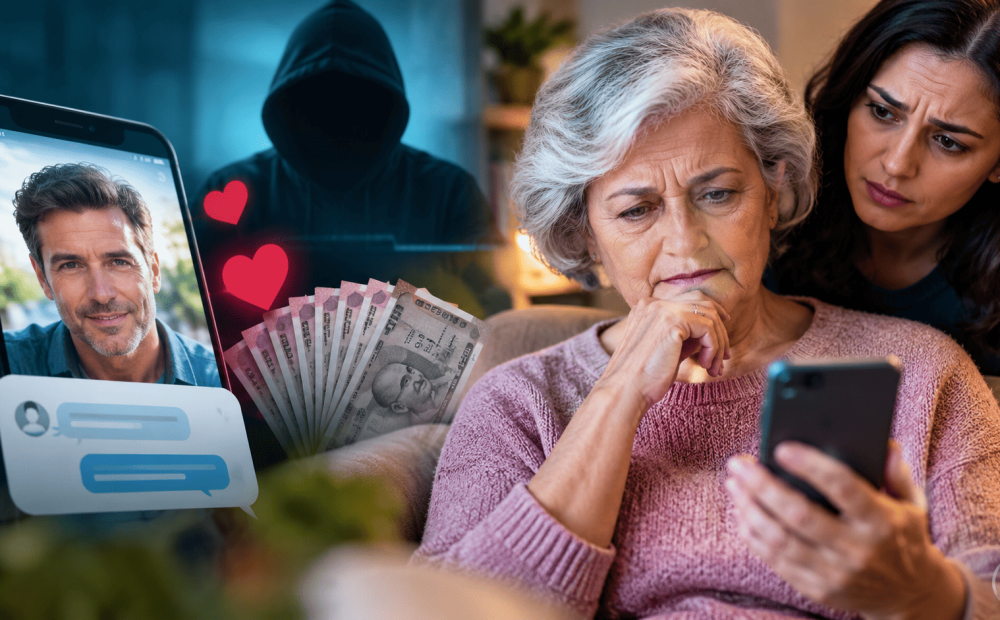
A recent BBC report highlighted the case of an 80-year-old woman who lost £140,000 to romance scammers she met online. Her daughter, Helen, noticed that her mother was taking frequent phone and video calls but was reluctant to explain who she was speaking to.
The scammers had even used artificial intelligence to alter their appearance during photos and video calls.
What followed was a pattern increasingly seen in romance scams: emotional attachment, increasingly urgent stories and repeated demands for money.
Scammers often try to isolate their victims from people who might question the relationship or the requests for money. That is why families should pay attention to small changes.
A loved one may become unusually secretive or evasive. Their mood may change. They may suddenly communicate with someone online or over the phone in a way that is completely out of character.
Financial changes can also provide important clues.
Frequent bank or post-office visits, unexplained transfers, new bank accounts, large withdrawals or unusual purchases such as gift cards should not automatically be treated as proof of a scam. But when several of these changes appear together, they deserve a conversation.
The Biggest Mistake? Confronting Them
Finding out that someone you love may be getting scammed can be frightening. The natural reaction may be to say, “You’re being scammed. Stop talking to this person.”
But that approach can sometimes make the situation worse.
Victims may already believe they are in a genuine relationship or that they are helping someone in danger. Being told they have been deceived can make them feel embarrassed, angry or ashamed.
Instead of confronting them, start with questions.
Ask how they met the person. Ask what the person has told them. Ask whether they have ever requested money or personal information.
The goal is not to prove them wrong immediately. It is to keep them talking.
Look For The Details They May Be Missing
In Helen’s case, she eventually spoke to the person her mother believed she was in a relationship with.
During the video call, she noticed that the image appeared fuzzy and that the person’s voice did not match his movements. These details suggested that the video may have been manipulated.
But even then, convincing her mother was not easy.
This is important to remember: recognising a scam is not always as simple as showing someone the evidence. Emotional manipulation can be powerful, particularly when the victim believes they have found companionship, love or someone who genuinely needs their help.
Once there is a genuine concern, families should contact the person’s bank as soon as possible.
Banks may be able to identify suspicious activity and put safeguards in place. Privacy rules may limit what they can discuss with family members, but reporting the suspected fraud can still help.
It may also help to involve someone impartial whom the victim trusts. Sometimes a person is more willing to listen when the information comes from someone outside the immediate family.
Families can also reduce the scammer’s access by reviewing the person’s digital footprint.
This could mean changing phone numbers, email addresses and passwords, reviewing social-media accounts and blocking suspicious contacts. In some situations, reducing access to smartphones or social-media platforms may also be considered.
What Families Should Remember
A scam victim does not need judgement. They need support.
If a loved one is behaving differently, making unexplained financial transactions or becoming unusually secretive about an online relationship, don’t ignore the changes.
Ask questions. Listen carefully. Contact the bank if money is involved. And most importantly, keep the conversation open.
The earlier a family recognises the signs, the greater the chance of stopping further financial loss and helping the victim break away from the scam without feeling ashamed or isolated.