India criticised UN Special Rapporteur Ben Saul over factual inaccuracies in a counter-terrorism report, arguing that its description of underworld figure Dawood Ibrahim and his criminal network failed to adequately reflect their links to terrorism and attacks in India.
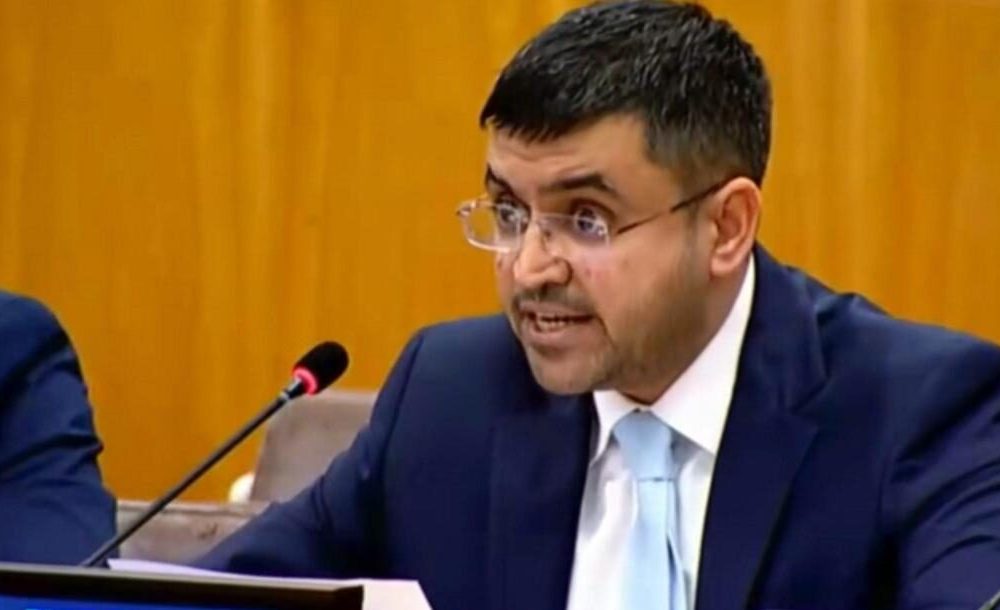
Addressing the UN General Assembly, India’s First Secretary at the Permanent Mission to the UN, Raghoo Puri, called for greater impartiality and accountability from special mandate holders, warning that inaccurate reports could undermine the organisation’s credibility.
Puri objected to the report describing Dawood as the head of the “India-based” D-Company criminal gang with terrorist links. He said Dawood had been wanted in India in connection with terror attacks since 1993, well before the UN Security Council listed him in 2003 over his links to Al-Qaeda.
The Indian diplomat argued that omitting this background presented an incomplete picture of the case. He also noted that the UN’s listing records identify Dawood as residing in Pakistan, where Osama bin Laden was found and killed in 2011.
India further maintained that human rights principles should not be used to justify or shield terrorism, extremism or those accused of supporting such activities. Puri said counter-terrorism assessments must be based on facts and applied impartially.
Responding to remarks by Pakistan’s delegation, Puri rejected its statements concerning Jammu and Kashmir and Ladakh, describing them as politically motivated propaganda. He reiterated India’s position that both Union Territories are integral parts of the country.
The remarks came amid India’s broader call for greater accuracy and accountability in UN reporting on terrorism and human rights.