MUMBAI: An unexpected deposit in your bank account could be the beginning of a fraud. The State Bank of India (SBI) has warned customers about the ‘jumped deposit scam’, in which cyber criminals allegedly use mistaken-transfer claims to trick people into authorising payments they never intended to make.
In a post on X on October 10, SBI highlighted the scam as part of its National Cyber Security Month Special Campaign 6.0 and urged customers to exercise caution when strangers ask them to return money supposedly transferred by mistake.
Unexpected credit in your account? It’s a Trap!
Beware of Jumped Deposit Scam!
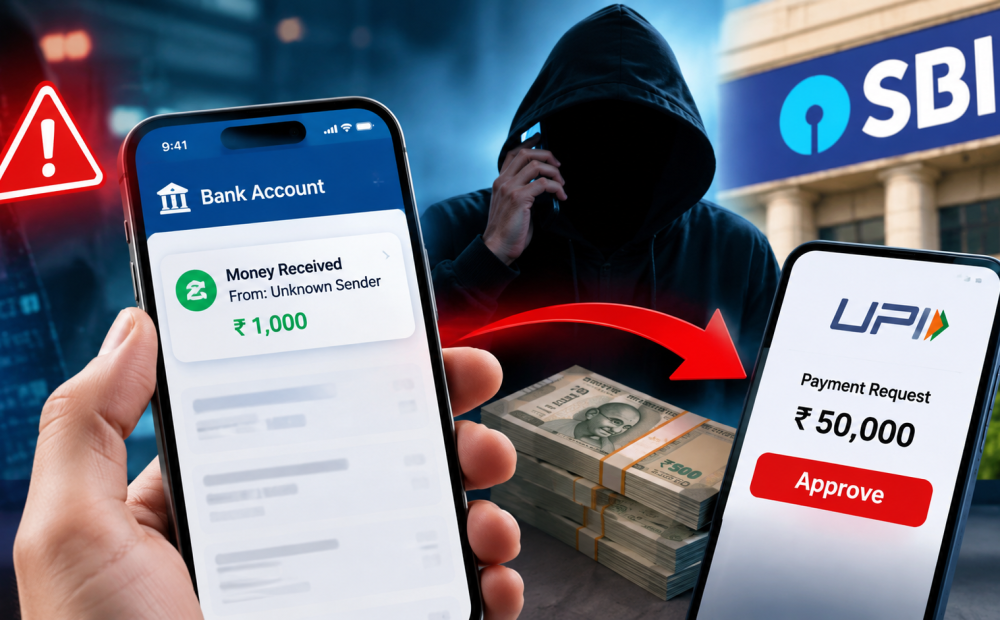
In a Jumped Deposit Scam, scammers claim to have “accidentally” credited a small amount to your account to win your trust. When you try to return it, they trick you into approving a high-value payment request.
Block the number immediately and report this to the Bank on Priority.
Don’t fall for emotional blackmail or emergency UPI requests without confirmation.
Always respond to calls prefixed with 1600 — It’s genuine, it’s secure, it’s your Bank.
In case of any fraud, call 1930 or visit https://t.co/9RsMAXzZuY.
Your feedback matters to us. Please share it with us at: https://t.co/7YPYnrTJlr
— State Bank of India (@TheOfficialSBI) June 1, 2026
How are people being targeted?
The scam typically starts with a small credit from an unknown sender. Soon after, the account holder receives a call or message from someone claiming to have sent the money accidentally. The caller may insist on an immediate refund, using urgency or emotional pressure to prevent the recipient from checking the details.
The real danger comes when the victim is persuaded to approve a separate, high-value UPI payment request. If authorised, this transaction can transfer money out of the victim’s account, potentially causing a significant financial loss.
What should you do if money suddenly appears in your account?
- Check before acting: Verify the credit through your bank’s official app, statement or customer-care channel.
- Do not rush to refund: Avoid sending money to an account specified by an unknown caller. Ask your bank how the transaction should be handled.
- Read every UPI prompt carefully: A request to receive money is different from a request to pay. Never enter your UPI PIN to receive a payment.
- Keep banking details private: Do not share your UPI PIN, OTP or passwords with anyone.
- Report suspicious contact: Inform your bank promptly and block suspicious numbers. If you suspect cyber fraud in India, report it through the National Cyber Crime Reporting Portal or call 1930 as soon as possible.
SBI has specifically cautioned customers against emotional blackmail and urgent UPI requests made without verification.
Remember: Never let an unfamiliar caller dictate what you do with your bank account. Verify first, avoid approving unexpected payment requests and contact your bank directly if something seems suspicious.