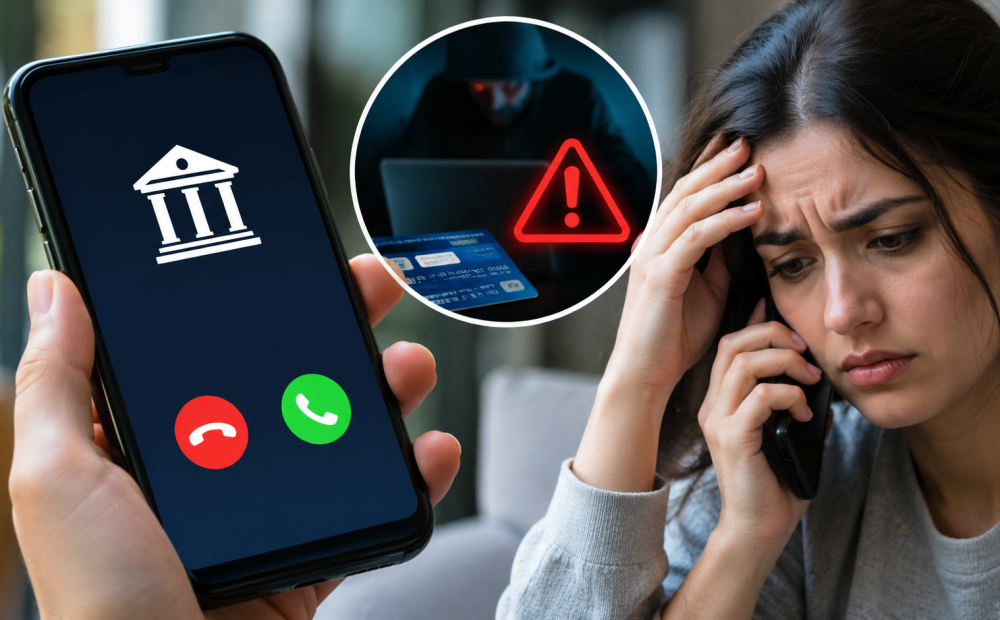
United States: Bank customers are being warned about a phone scam in which fraudsters impersonate bank security officials, claim suspicious transactions have been detected, and trick victims into sharing one-time passwords (OTPs) that can give criminals access to their accounts.
The scam typically begins with a phone call that appears to originate from a bank’s official number. Using caller ID spoofing, fraudsters make the communication appear legitimate while posing as representatives of the bank’s fraud prevention department.
To gain trust, scammers may mention genuine account information, including recent transactions, card details or account balances. They then claim that immediate verification is necessary to prevent unauthorised payments.
Victims are instructed to share a verification code received on their phones. However, the code may actually authorise a login, transaction or other account access, allowing criminals to steal funds.
Authorities and consumer protection organisations have also highlighted variations of bank impersonation fraud. In some cases, scammers persuade victims to transfer money into supposedly secure accounts.
Other reported methods involve convincing customers to share their screens during FaceTime calls or disclose verification codes that enable criminals to add payment cards to digital wallets.
Similar impersonation tactics have also targeted brokerage customers, with fraudsters posing as investment platform representatives and pressuring victims to transfer funds.
Customers are advised never to disclose OTPs, passwords or banking credentials during unsolicited calls, even when the caller appears to know personal financial information.
Anyone who suspects fraud should immediately contact their bank through an official number, secure their accounts and request assistance with stopping unauthorised transactions.
In the United States, victims can report incidents to the Federal Trade Commission at reportfraud.ftc.gov and the FBI’s Internet Crime Complaint Center at ic3.gov.